How Can a Personal Injury Attorney in St George Help After Trail Injuries at Zion?
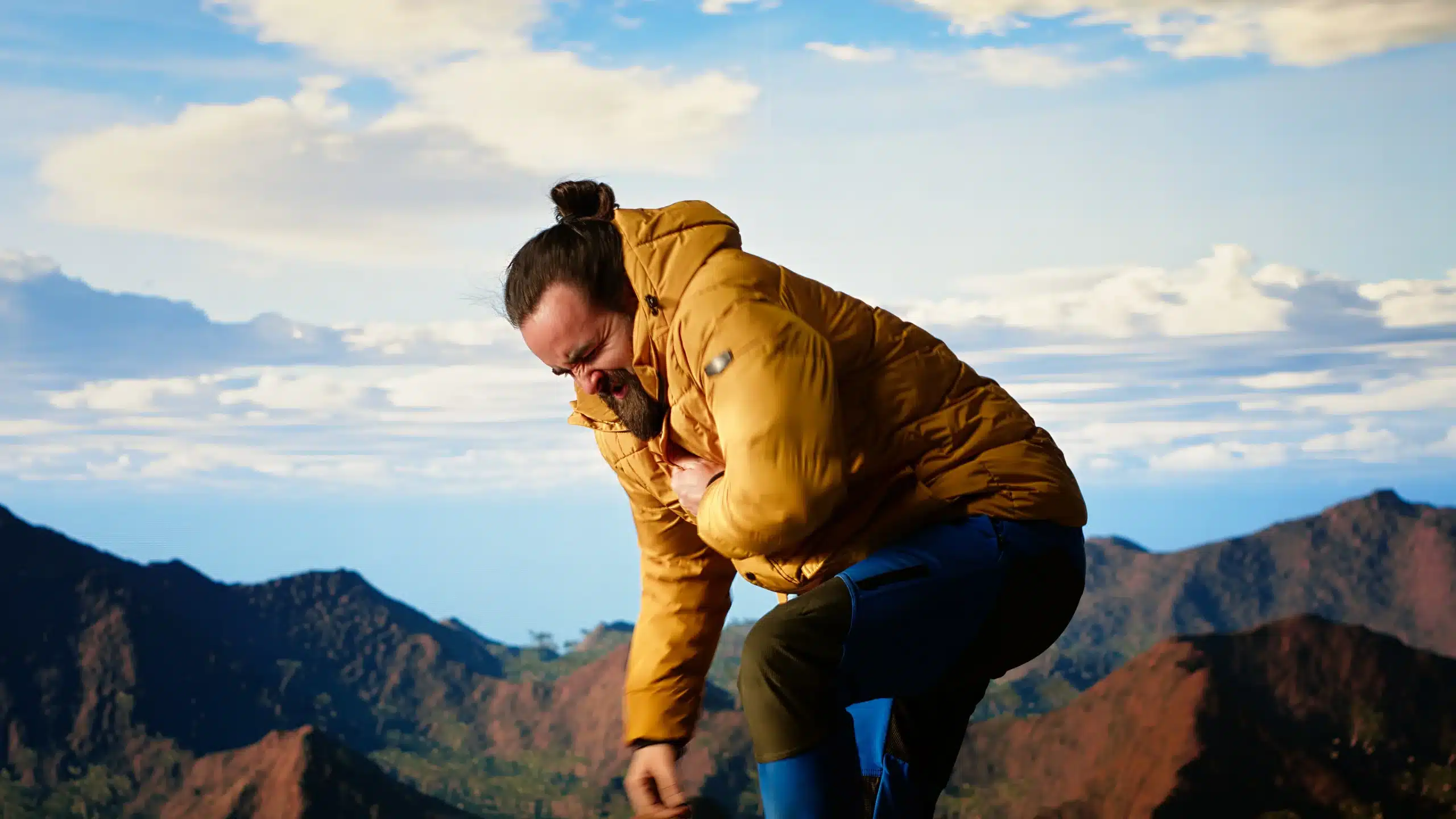
Zion is one of the most visited national parks in the country, and all that foot traffic comes with a real cost. Slip-and-fall injuries are incredibly common.
Wet sandstone is basically like ice. Loose gravel on switchbacks, uneven trail edges, and a lack of warning signs near steep drop-offs are recurring themes in visitor injury reports. A trail that looks totally manageable in someone’s Instagram photo can become extremely dangerous after a quick rainstorm, and the park does not always place warning signs in time. In situations like these, speaking with a personal injury attorney can help injured visitors understand whether negligence may have played a role in the accident.
Can You Even Sue the Government if You’re Hurt on Federal Land?
This is where most people get tripped up. Historically, you couldn’t sue the government. Period. They had what’s called “sovereign immunity.”
But Congress created a massive exception called the Federal Tort Claims Act (FTCA). Under the FTCA, you can file a claim if a federal employee’s negligence caused your injury. For example, if a park ranger ignored repeated reports that a trail was washed out, or if maintenance crews failed to fix a known hazard, you might have a case.
But here’s the catch: The government has a shield called the “discretionary function exception.” If the National Park Service (NPS) can argue that their decision—like whether or not to close a trail or put up a warning sign—was a matter of policy or budgeting rather than a routine safety duty, they can often dodge liability.
Proving the NPS was negligent is tough, but it’s not impossible. Courts have held the NPS liable for things like rotten guardrails, failing to warn about known dangers, and ignoring trail maintenance after bad weather. The key is proving what the park knew, when they knew it, and that a reasonable agency would have handled it differently.
What If You Were on a Guided Tour?
Private tour operators, adventure companies, and outfitters work inside Zion under special permits. But because they are private businesses, they don’t get to hide behind the federal government’s legal shields.
If a commercial guide contributed to your injury, standard negligence law applies. We look at it just like we would any private business: Did they warn you of the risks? Was the equipment in good shape? Was your guide actually trained? Did they ignore their own safety rules?
What about the waiver you signed? Tour companies love to shove liability waivers in your face, but a waiver is not a get-out-of-jail-free card. Courts look closely at whether the waiver was clearly written, whether it covered the specific thing that went wrong, and whether it violates public policy. If a company buries dangerous language in tiny print, or makes you sign it under pressure five minutes before the trip starts, a judge might throw it out.
What About Shuttle Buses and Tour Vans?
Zion’s mandatory shuttle system runs during peak season, and commercial vans are always driving in and out of the park. If you get hurt in a vehicle accident inside Zion, the rules change completely.
Whether it’s a park shuttle, a private van, or a rideshare, we look at driver training logs, vehicle maintenance records, and federal motor carrier safety standards. commercial vehicle accident lawyer are held to much higher documentation standards than regular cars. That paper trail actually works in your favor when building a case.
So, Who Actually Pays?
In the real world, trail injury claims at Zion usually involve more than one party.
Let’s say you slip and fall attorney on a wet, unmarked section of trail during a guided canyoneering trip. The NPS might be responsible for the badly maintained trail, but the tour operator might also be responsible for taking you down a dangerous route without adjusting for the weather. Both could share the blame.
Our goal isn’t just to point fingers; it’s to figure out exactly what went wrong and match it to who had a legal duty to protect you. Shared liability is common, and you can recover damages from multiple parties. That’s why you need an attorney who knows how to handle both federal claims and private business negligence.
Is It Even Worth Pursuing a Claim Against the Feds?
Honestly? It depends. Federal claims are slower, more bureaucratic, and harder to win than standard injury cases. But if you have serious injuries and clear proof of negligence, it is absolutely worth it. The NPS has paid out on trail injuries before. Prior incident reports, maintenance logs, and ranger emails can turn a tough case into a winning one.
The biggest mistake people make is waiting. They want to heal first and deal with the lawyers later. By the time they’re ready, the evidence is gone, deadlines have passed, and the park has moved on. Reaching out for a consultation early protects your options—you don’t have to commit to a lawsuit, but you’ll know where you stand.
Frequently Asked Questions
Q. Can I sue Zion National Park directly?
You can’t sue the park as an entity. Instead, you file a claim against the federal government under the Federal Tort Claims Act. You have to file an administrative claim with the agency first before you can ever step foot in a federal courtroom.
Q. I signed a waiver. Do I have no case?
Not necessarily. Courts scrutinize waivers heavily. They generally can’t protect a company from gross negligence or recklessness. If the waiver was confusing, hidden in fine print, or signed under duress, it might not hold up in court.
Q. How long do I have to file a claim?
For claims against the federal government, you have two years from the date of the injury to file an administrative claim. For private parties in Utah, you generally have four years. But don’t wait—evidence disappears, witnesses forget, and some specific deadlines are much shorter.
Q. What if my child was hurt on a school or group trip?
Minors in Utah usually have extended filing windows, but it depends heavily on who was involved. Chaperones, school districts, and tour operators might all share a piece of the blame. Document everything immediately and talk to a lawyer before time runs out.
Q. What kind of compensation can I recover?
Depending on the details, you could recover past and future medical bills, lost wages, loss of earning capacity, and pain and suffering. Keep in mind that federal claims have damage caps and don’t allow punitive damages, which is why identifying who exactly is at fault matters so much.
Q. Does it cost money to hire an attorney for this?
Most personal injury attorneys work on contingency. That means no upfront costs—you only pay attorney fees if we win your case. And the initial consultation is always free.