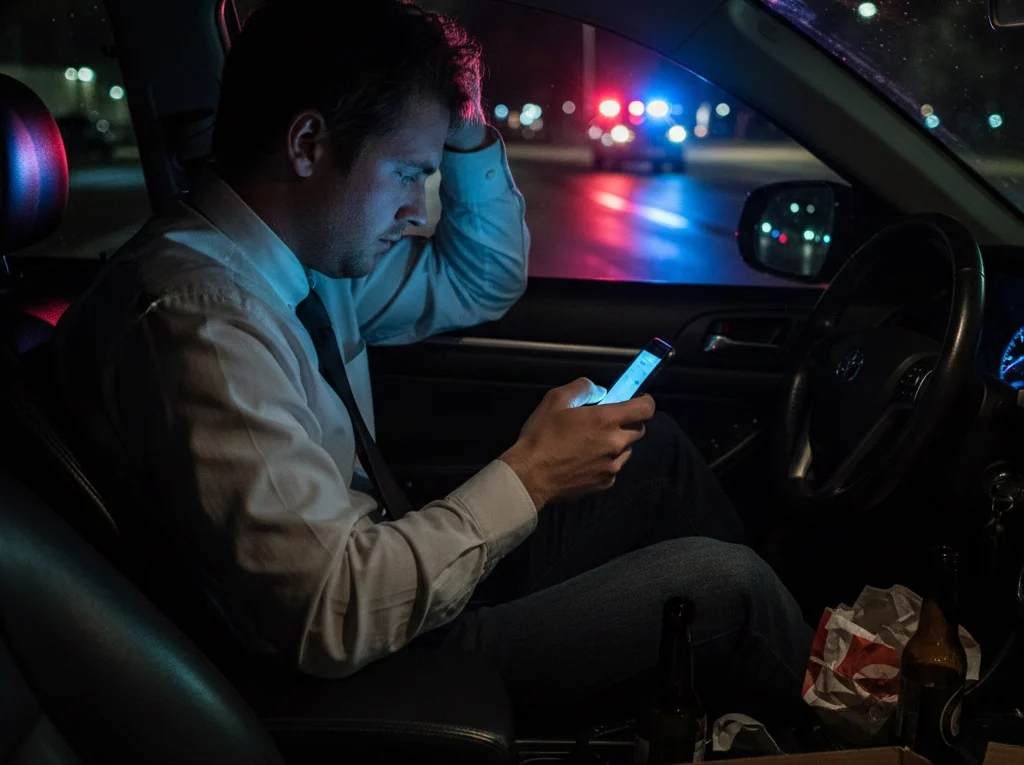
If you’ve recently been arrested for DUI in Southern Utah, the new Utah law taking effect January 1, 2026 will directly impact your case and future. House Bill 437, known as the Interdicted Person Amendments, fundamentally changes how Utah handles DUI convictions—and understanding these changes now is essential for protecting your rights and driving privileges.
This content covers everything you need to know about how HB 437 affects DUI cases in Southern Utah, from the new “interdicted person” classification to license requirements and legal defense strategies. Whether you’re facing your first DUI charge or have prior DUIs on your record, this information applies to your situation. We’ll focus specifically on what matters for your defense and why immediate legal representation can make the critical difference in your outcome.
The direct answer: Under the new Utah law, anyone convicted of extreme DUI (blood alcohol concentration of 0.16% or higher) will automatically be designated an interdicted person, requiring a marked driver license with a red banner stating “NO ALCOHOL SALE” and legally prohibiting all alcohol purchases statewide.
After reading this, you will understand:
- How the new interdicted person designation works and who it applies to
- The difference between standard and extreme DUI consequences under the new law
- What legal process changes mean for your case timeline
- Defense strategies that may help you avoid the most severe penalties
- Why acting quickly with legal counsel gives you the strongest position
Understanding the New Utah DUI Law (HB 437)
House Bill 437 represents the most significant change to Utah’s DUI enforcement system in years. The legislation was motivated by tragedy—the death of a 13-year-old boy killed by a drunk driver with five prior DUIs. This context matters because courts and prosecutors will approach DUI cases with this legislative intent in mind.
For anyone currently facing DUI charges in Southern Utah, HB 437 creates consequences that extend far beyond traditional penalties. The law establishes a visible, ongoing restriction system that affects daily life long after your court date ends.
What Constitutes “Extreme DUI” Under the New Law
Under the new Utah law, extreme DUI is defined as driving with a blood alcohol concentration of 0.16% or higher—exactly double Utah’s standard 0.08% limit. This classification also applies when alcohol is combined with other illegal substances in your system.
The distinction between standard DUI and extreme DUI now carries dramatically different consequences. While a standard DUI charge gives the court discretion about penalties, extreme DUI offenses trigger automatic, mandatory designations that the judge cannot waive or reduce. If your blood alcohol level tested at or above 0.16% during your arrest, you are facing the extreme DUI category with its enhanced requirements.
Understanding exactly what your BAC registered—and whether that measurement can be challenged—becomes one of the most important factors in your defense strategy.
Interdicted Person Status and Restrictions
Being classified as an interdicted person means you are legally prohibited from purchasing alcohol anywhere in Utah. This isn’t a suggestion or a condition of probation—it’s a court-ordered status that gets physically marked on your identification.
When designated as an interdicted person, you must surrender your current driver license or state ID to the court and obtain a replacement from the Utah Driver License Division. This new identification card features a prominent red banner above your photograph stating “NO ALCOHOL SALE.” Every establishment licensed to sell alcohol in Utah—from grocery stores to restaurants to bars—must check identification for all alcohol purchases under the new 100% ID requirement. Your marked ID immediately signals your restricted status.
The duration of interdicted status is determined by the court based on your case circumstances, but the visibility of this designation creates practical consequences affecting employment, social situations, and any interaction requiring identification.
How the New Law Affects Different DUI Charges
The January 1, 2026 effective date means cases processed after this date fall under the new dui legislation in Utah. How you’re affected depends on the specific nature of your charges and your prior history.
First-Time DUI Offenders
For first-time offenders with a blood alcohol level between 0.08% and 0.16%, the court has discretionary authority regarding interdicted person designation. This is where strong legal representation matters most—a skilled attorney can present arguments for why interdicted status isn’t appropriate in your specific situation.
However, if your first offense qualifies as extreme DUI (0.16% or higher), you face mandatory interdicted designation regardless of your clean prior record. In 2024 alone, approximately 35% of all DUI arrests in Utah fell into the extreme DUI category—this isn’t a rare situation affecting only the most severe cases.
Proper legal representation can potentially challenge the BAC evidence itself, negotiate charge reductions, or present mitigating factors that influence how the court handles your case within its available discretion.
Repeat DUI Offenders
For individuals convicted of prior DUIs, the new law creates even more serious implications. The legislative history behind HB 437—responding to a tragedy caused by someone with five prior DUIs—signals that courts will likely exercise their discretion toward stricter enforcement for repeat offenders.
Those with prior DUI convictions facing new charges should expect prosecutors and judges to view their cases through the lens of public safety that motivated this legislation. The automatic interdicted status for extreme DUI applies regardless of prior record, but prior convictions may influence how courts use their discretionary authority on standard DUI charges.
Long-term implications include extended periods of interdicted status, enhanced scrutiny from law enforcement (who can immediately identify your history when they examine your interdicted license during any traffic stop), and potential cumulative effects on your driving privileges.
DUI with Aggravating Circumstances
When your DUI arrest involved an accident, serious injury to others, or significant property damage, the new law’s consequences layer onto already severe potential penalties. These aggravating factors may influence:
- Whether prosecutors pursue maximum charges
- How judges exercise discretion on standard DUI cases
- The duration of any interdicted status imposed
- Additional charges beyond the DUI itself
Cases involving impaired driving that results in harm to others represent exactly the scenario this legislation was designed to address. Comprehensive legal defense in these situations requires understanding how the new law interacts with existing penalty structures.
Legal Process and Implementation Timeline
Navigating the court system under the new Utah law requires understanding both the legal process and the administrative requirements now integrated into DUI cases.
Court Proceedings and Sentencing
The determination of interdicted status occurs during sentencing, making every step leading to that point critical for your defense.
- Arraignment and charge assessment: Your initial court appearance establishes the formal charges. Whether you’re charged with standard or extreme DUI affects your entire legal strategy going forward.
- Evidence review and BAC implications: Your attorney examines all evidence, including the circumstances of your traffic stop, the administration of field sobriety tests, and the accuracy of blood alcohol concentration testing. Challenging this evidence can potentially reduce an extreme DUI to a standard charge.
- Plea negotiations and sentencing considerations: Prosecutors may be willing to negotiate on charges or recommendations, particularly for cases where evidence has weaknesses. Under the new law, these negotiations carry higher stakes.
- Sentencing and interdicted status implementation: If convicted of extreme DUI, interdicted designation is automatic. For standard DUI, the judge determines whether to apply this status based on case specifics and your attorney’s arguments.
Driver License Division Process
The Utah Driver License Division handles the administrative side of interdicted status implementation:
| Requirement | Standard DUI | Extreme DUI with Interdicted Status |
|---|---|---|
| License suspension | Yes, duration varies | Yes, plus marked ID requirement |
| ID replacement | Not required | Mandatory—must surrender current ID |
| Visible marking | None | Red “NO ALCOHOL SALE” banner |
| Alcohol purchase rights | Retained | Legally prohibited statewide |
| Law enforcement visibility | Standard record check | Immediate identification on any stop |
The process requires surrendering your current identification card, applying for the replacement interdicted license through the Utah Department, and carrying this marked ID for the court-ordered duration. Reinstatement procedures depend on completing all court requirements and the expiration of your interdicted period.
Understanding this timeline helps you plan for work, family, and transportation needs while your case proceeds.
Common Challenges and Legal Solutions
The stakes under the new legislation make experienced legal representation more important than ever. Several defense strategies can significantly impact your outcome.
Challenging BAC Test Results
Breathalyzer and blood tests aren’t infallible. Calibration errors, improper administration, medical conditions affecting results, and chain-of-custody issues with blood samples can all provide grounds for challenging your blood alcohol concentration reading. If your BAC tested at or near the 0.16% threshold, even small measurement errors could mean the difference between standard and extreme DUI charges—and between discretionary and mandatory interdicted status.
Time is critical here. Evidence preservation, witness availability, and equipment records become harder to obtain as time passes. Immediate legal action protects your ability to mount an effective challenge.
Avoiding Extreme DUI Classification
When the evidence supports it, legal arguments can potentially reduce charges from extreme to standard DUI. This reduction doesn’t eliminate consequences, but it gives the court discretion rather than mandatory interdicted designation.
Negotiation strategies include presenting mitigating circumstances, identifying weaknesses in the prosecution’s case, and demonstrating factors that warrant lesser charges. An attorney experienced with Southern Utah courts understands local prosecution tendencies and judicial perspectives that affect these negotiations.
Protecting Your Driving Privileges
Administrative license suspension often begins immediately after arrest—separate from criminal court proceedings. Requesting an administrative hearing within the required timeframe preserves your opportunity to challenge the suspension.
Under the new law, the stakes of these hearings increase. Successfully challenging an administrative suspension maintains your current driving privileges while your case proceeds, and avoiding conviction eliminates the interdicted status entirely.
Strategies for maintaining work and family transportation needs may include restricted licenses, hardship considerations, and other options your attorney can pursue based on your specific circumstances.
Conclusion and Immediate Next Steps
The new Utah law effective January 1, 2026 makes DUI charges more consequential than ever. If you’re facing DUI charges in Southern Utah, the difference between mandatory interdicted status with a marked license and avoiding these penalties often comes down to the quality of your legal defense and how quickly you act.
Take these steps immediately:
- Contact an experienced DUI defense attorney in Southern Utah—many offer free consultations
- Gather all documentation from your arrest, including any paperwork you received
- Note your court date and confirm it with the court clerk
- Request an administrative license hearing within the required timeframe if applicable
- Do not discuss your case details with anyone except your attorney
Your window for mounting the strongest possible defense is limited. Evidence becomes harder to challenge, witnesses become harder to locate, and options narrow as time passes. The legal process moves forward whether you’re prepared or not.
A clean record isn’t guaranteed in any case, but having experienced legal representation ensures you get your best chance at the most favorable outcome possible under these new, stricter laws.
Additional Resources
- Utah Driver License Division: For questions about license status, reinstatement, and interdicted ID requirements
- Fifth District Court (St. George): Primary court handling Southern Utah DUI cases
- Washington County Justice Court: Handles misdemeanor DUI proceedings
- Utah Department of Alcoholic Beverage Services: Information on the 100% ID requirement for establishments
For immediate legal consultation regarding your Southern Utah DUI case, contact a local criminal defense attorney who focuses on impaired driving charges and understands the new legislation’s implications.