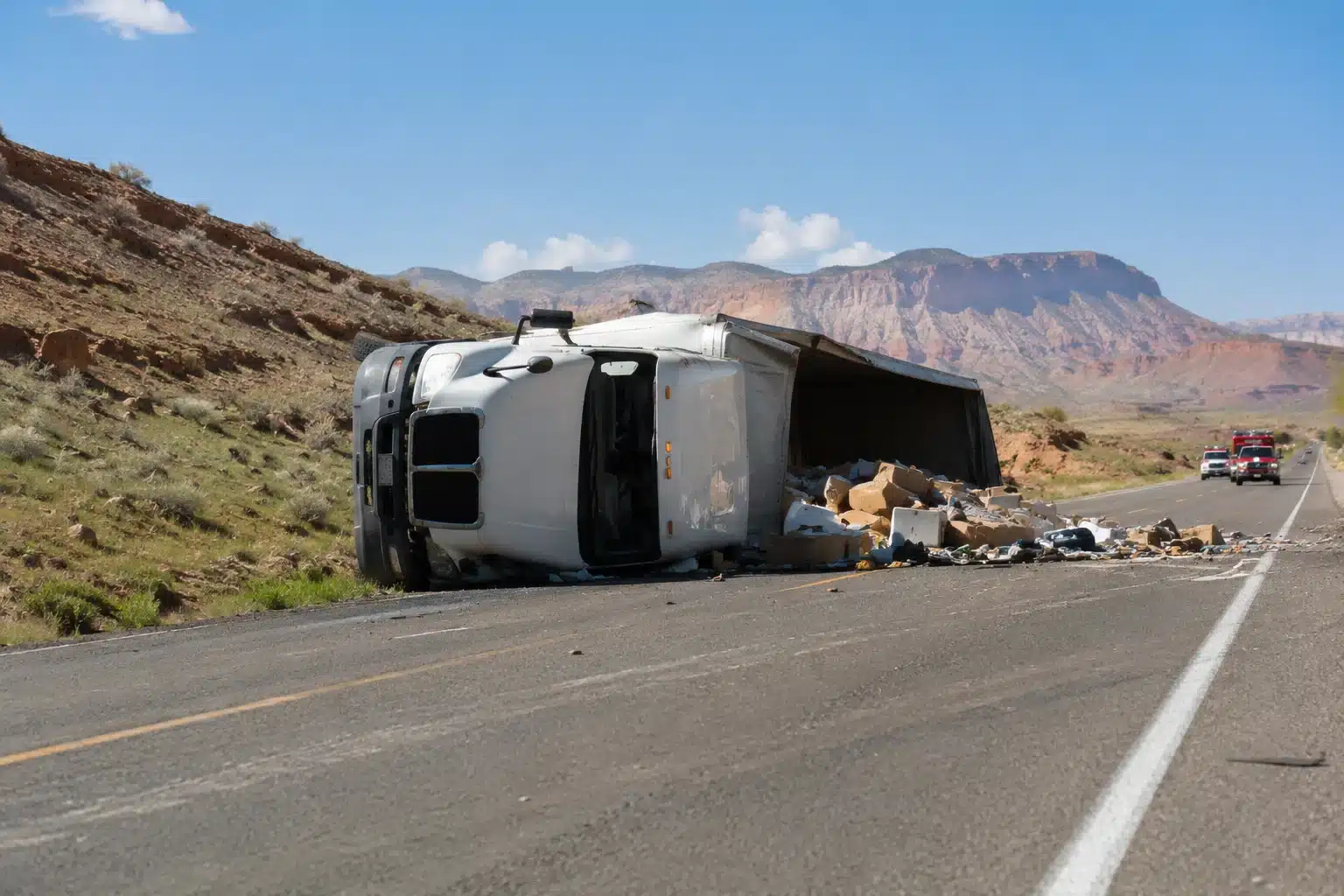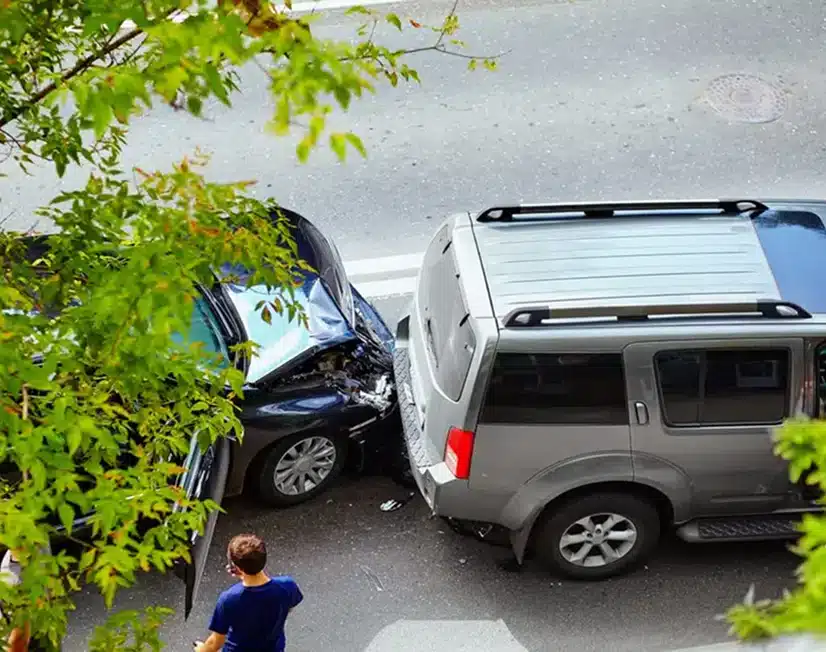
A car accident is a jarring experience, but when one of the vehicles involved is a commercial one, like a semi-truck, delivery van, or bus, the aftermath can become significantly more complex from a legal standpoint. Understanding the key distinctions between a collision with a private vehicle and one with a commercial vehicle is crucial for anyone involved in such an unfortunate event. This article will break down these differences, offering insights into liability, regulations, and the types of compensation available.
The Sobering Statistics of Commercial Vehicle Accidents
To grasp the gravity of the situation, it’s helpful to look at the numbers. In recent years, large trucks have been involved in thousands of fatal crashes annually, with a notable increase over the last decade. A startling majority of those who lose their lives in these incidents are occupants of other vehicles. This highlights the severe risk passenger cars face in collisions with much larger and heavier commercial trucks and underscores a global issue with commercial vehicle safety.
These statistics aren’t just numbers; they represent lives altered and families devastated. They also explain why the legal framework surrounding commercial vehicle accidents is so much more stringent and multifaceted than that for private vehicle incidents.
Key Legal Differences You Need to Know
While the immediate aftermath of any accident involves seeking medical attention and reporting the incident, the legal journey that follows can diverge significantly depending on whether a commercial vehicle is involved. Here are the primary legal distinctions:
The Intricacies of Liability: Who is Responsible?
In an accident involving two private vehicles, liability is typically straightforward and usually rests with one or both of the drivers. However, in a commercial vehicle accident, the web of potential liability can be far more extensive.
- The Driver: The commercial vehicle operator’s actions, such as speeding, distracted driving, or driving under the influence, are a primary factor.
- The Employer/Company: The company that owns the vehicle and employs the driver can be held vicariously liable for the actions of their employee. This could be due to negligent hiring practices, inadequate training, or imposing unrealistic schedules that encourage speeding or drowsy driving.
- Maintenance Providers: If the accident was caused by a mechanical failure like faulty brakes or a tire blowout, a third-party company responsible for the vehicle’s maintenance could be held liable.
- Cargo Loaders: Improperly loaded or secured cargo that shifts during transit and causes an accident can place liability on the company that loaded the freight.
- Vehicle or Parts Manufacturers: If a defect in the vehicle or one of its components is found to be the cause of the crash, the manufacturer can be held responsible.
This multi-layered liability landscape necessitates a thorough investigation to identify all potentially at-fault parties, a significant departure from the more direct liability in most private vehicle accidents.
2. A Stricter Regulatory Framework
Drivers of private vehicles are primarily governed by state traffic laws. Commercial drivers, on the other hand, must adhere to a much more rigorous set of both federal and state regulations. Transportation authorities set forth strict rules covering various aspects of the trucking industry, including:
- Hours of Service: These regulations limit the number of hours a commercial driver can be on the road to prevent fatigue-related accidents.
- Vehicle Maintenance: Commercial vehicles are required to undergo regular and thorough inspections.
- Driver Qualifications: Commercial drivers must hold a valid Commercial Driver’s License and meet specific health and skill requirements.
- Drug and Alcohol Testing: Drivers are subject to mandatory and random drug and alcohol screenings.
- Cargo Securement: There are specific rules on how different types of cargo must be secured to prevent accidents.
A violation of any of these regulations can be used as strong evidence of negligence in a personal injury claim.
3. The Evidence Trail: More to Uncover
In a typical car accident, evidence might be limited to police reports, witness statements, and photos of the scene. In a commercial vehicle accident, the pool of potential evidence is much deeper and more technical:
- Black Box Data (Event Data Recorder): Most modern commercial trucks are equipped with a “black box” that records crucial data about the truck’s speed, braking, and other operational details in the moments leading up to a crash.
- Driver’s Logs: These logs, now mostly electronic, track the driver’s hours of service to ensure compliance with official regulations.
- Maintenance Records: Detailed records of all inspections and repairs to the vehicle can reveal if maintenance was neglected.
- Company Records: This can include the driver’s employment history, training records, and any internal communications related to the trip.
- Dashcam Footage: Many commercial fleets now use forward-facing and sometimes driver-facing cameras that can provide a clear view of the events leading to the accident.
It is crucial to act quickly to preserve this evidence, as trucking companies may not be required to keep it indefinitely.
4. Insurance Coverage and Compensation: Higher Stakes
Due to the potential for catastrophic damage and severe injuries, commercial vehicles are required to carry significantly higher insurance policy limits than private vehicles. While a personal auto policy might have a relatively low liability limit, federal law mandates substantial liability coverage for most commercial trucks, often reaching several million dollars for those transporting hazardous materials.
While this means there is a greater potential for victims to receive full compensation, it also means that insurance companies have a stronger incentive to fight these claims vigorously. They will often employ teams of lawyers and investigators to minimize their payout.
Types of Damages in a Commercial Vehicle Accident Case
If you are injured in an accident with a commercial vehicle, you may be entitled to several types of damages:
- Economic Damages: These are tangible financial losses that can be calculated, including medical expenses (past and future), lost wages, loss of future earning capacity, and property damage.
- Non-Economic Damages: These are intangible losses that are more subjective but just as real. Examples are pain and suffering, emotional distress, and loss of enjoyment of life. The far-reaching consequences of an accident can even impact personal relationships, leading to a claim for loss of consortium. The stress from these life-altering events underscores the importance of finding the right specialist for your specific problem; just as you would seek out a criminal defense lawyer st george for a domestic issue, you need a legal expert focused on your accident case.
- Punitive Damages: In some cases where the defendant’s conduct was particularly reckless or egregious, punitive damages may be awarded. These are intended to punish the wrongdoer and deter similar behavior in the future.
What to Do If You’re in an Accident with a Commercial Vehicle
- Prioritize Safety and Health: Your immediate priority should be your well-being. Move to a safe location if possible and seek medical attention, even if you don’t think you are seriously injured.
- Report the Accident: Call the police to file an official report.
- Gather Information: If you are able, collect the driver’s name, contact information, insurance details, and the name of their employer. Also, get the contact information of any witnesses.
- Document the Scene: Take photos and videos of the accident scene, including the position of the vehicles, any visible damage, and any relevant road conditions.
- Be Cautious in Your Statements: Avoid admitting fault or making detailed statements to the trucking company’s insurance adjuster without legal counsel.
- Seek Legal Advice: Due to the complexities of these cases, it is highly advisable to consult with an experienced commercial vehicle accident lawyer who can protect your rights and help you navigate the legal process.
Navigating the aftermath of an accident with a commercial vehicle can be daunting. The legal landscape is intricate, the stakes are high, and the opposition is often a well-funded corporation. By understanding these key legal differences and taking the right steps, you can better protect your rights and work towards securing the compensation you deserve.